Itroduction
A well-designed home is more than just a living space; it reflects personality, style, and comfort. Staying updated with home decor trends can dramatically enhance your interior appeal while creating a space that feels modern and welcoming. In 2026, home interiors are embracing a mix of sustainability, technology, and personalized design elements. Whether you’re renovating a single room or planning a full home makeover, knowing these trends can help you make informed design choices.
Sustainable and Eco-Friendly Interiors
Sustainability is no longer just a buzzword—it is now a critical part of home decor. Eco-friendly choices not only protect the environment but also create healthier living spaces.
Natural Materials
Using natural materials like bamboo, rattan, and reclaimed wood can instantly elevate your interior appeal. These materials provide warmth and texture, making rooms feel more inviting and connected to nature.
Low-Waste Design
Designs that minimize waste, such as modular furniture and multi-purpose items, are gaining popularity. Pieces that serve multiple functions reduce clutter and contribute to a minimalist, organized look.
Energy-Efficient Lighting
LED lighting and smart lighting systems are essential for a sustainable home. They consume less energy, last longer, and can be customized for different moods and settings.
Bold Colors and Patterns
While minimalism continues to influence design, bold colors and patterns are making a strong comeback.

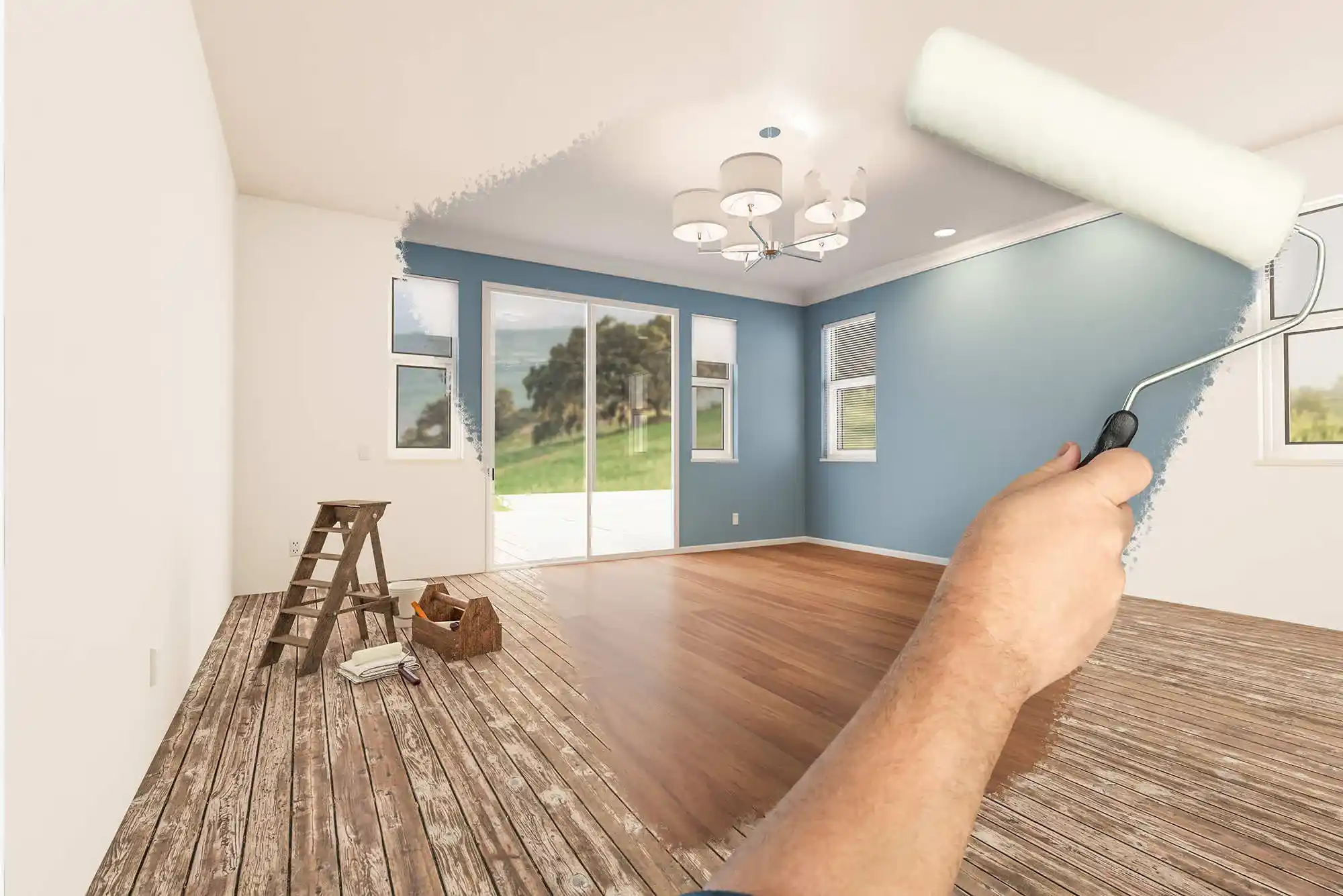
Statement Walls
Adding a statement wall with bold colors, geometric patterns, or textured wallpaper can transform a room’s ambiance. Popular colors include deep greens, burnt orange, and muted pastels.
Artistic Accents
Decorative items such as patterned rugs, vibrant cushions, and abstract wall art allow homeowners to express individuality while keeping interiors visually appealing.
Color Blocking
Color blocking is a modern trend that involves pairing contrasting shades in furniture, walls, and decor elements to create depth and interest without overwhelming the space.
Minimalist Yet Functional Design
The modern home balances aesthetics with functionality. Minimalism is not about removing all elements but creating purposeful spaces.
Open Floor Plans
Open layouts continue to dominate, making spaces feel larger and brighter. This trend works especially well for living rooms, kitchens, and dining areas where social interactions are frequent.
Multi-Purpose Rooms
As remote work becomes common, multi-functional spaces that serve as offices, gyms, or relaxation areas are highly sought after. Furniture that can adapt to different needs is key.
Hidden Storage Solutions
Minimalist interiors benefit from smart storage. Built-in cabinets, under-bed drawers, and hidden shelving help maintain a clean, clutter-free appearance.
Smart Home Integration
Technology has become a core part of modern interior design. Homes now combine comfort, style, and convenience seamlessly.
Voice-Controlled Devices
Smart speakers, lighting, and thermostats make everyday living more efficient and add a futuristic touch to home interiors.
Automated Lighting and Security
Automated systems improve safety and energy efficiency while enhancing the overall appeal of your home. For example, motion-sensor lighting adds both style and practicality.
Smart Furniture
Furniture with built-in charging stations, adjustable height desks, or modular sofas merges technology with comfort, creating interiors that are both functional and stylish.
Biophilic Design
Connecting indoor spaces with nature is a growing trend that improves wellbeing and interior appeal.
Indoor Plants
Plants like fiddle leaf figs, snake plants, and pothos are not just decorative—they purify the air and add life to any room.
Natural Light Optimization
Maximizing natural light with large windows, skylights, or light-colored curtains creates a welcoming and energizing atmosphere.
Organic Shapes
Furniture and decor with curved edges and organic forms create a sense of flow and harmony, reflecting natural elements indoors.
Textures and Layering
Layering textures adds depth and character to interiors. Mixing different materials enhances the visual and tactile appeal of a room.
Soft Fabrics
Velvet cushions, wool throws, and linen curtains offer comfort and luxury, making living spaces more inviting.
Mixed Materials
Combining wood, metal, glass, and stone can create a balanced, eclectic look that feels modern yet timeless.
Statement Rugs
Rugs with bold textures or patterns serve as focal points, tying together different design elements within a room.
Staying on top of home decor trends allows you to create interiors that are not only stylish but also functional, sustainable, and reflective of your personality. From eco-friendly materials to smart home technology and bold patterns, the options are endless. By thoughtfully incorporating these trends, you can transform your home into a space that inspires, relaxes, and impresses.
FAQs
What are the top home decor trends for 2026?
In 2026, top trends include sustainable materials, bold colors, minimalist designs, smart home technology, biophilic elements, and textured layering.
How can I make my home look modern and appealing?
Focus on decluttering, using neutral bases with pops of color, incorporating natural materials, and adding functional yet stylish furniture pieces.
Are eco-friendly materials good for interior design?
Yes, eco-friendly materials like bamboo, rattan, and reclaimed wood are sustainable, durable, and enhance the aesthetic of your home.
How can I integrate technology into my home decor?
Consider smart lighting, voice-controlled devices, automated security, and furniture with built-in tech features to combine style with convenience.
What is biophilic design and why is it important?
Biophilic design connects indoor spaces with nature using plants, natural light, and organic shapes, promoting wellbeing and a calming environment.